March 25, 2025
Reading time: 5 minutes
Now that spring has begun, many people are working on their gardens. I notice this clearly in the number of requests I receive as a landscape designer at this time of year. A common request is to change the plants in the garden. Sometimes people even ask specifically if I can help them incorporate more native species into their gardens. Yes! That’s a great idea! But why, exactly?
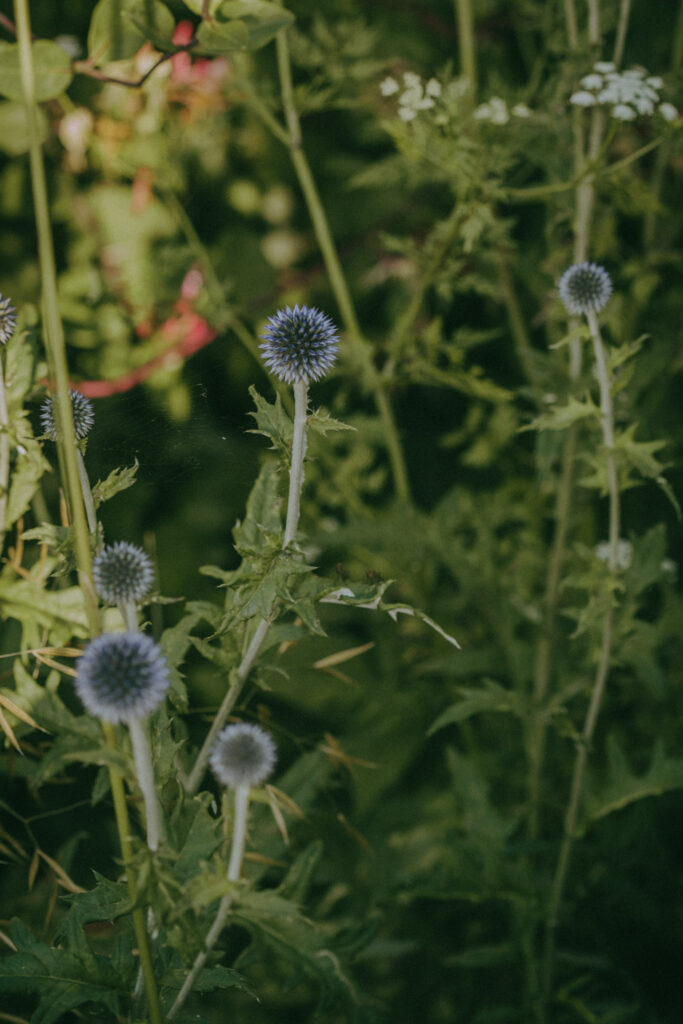
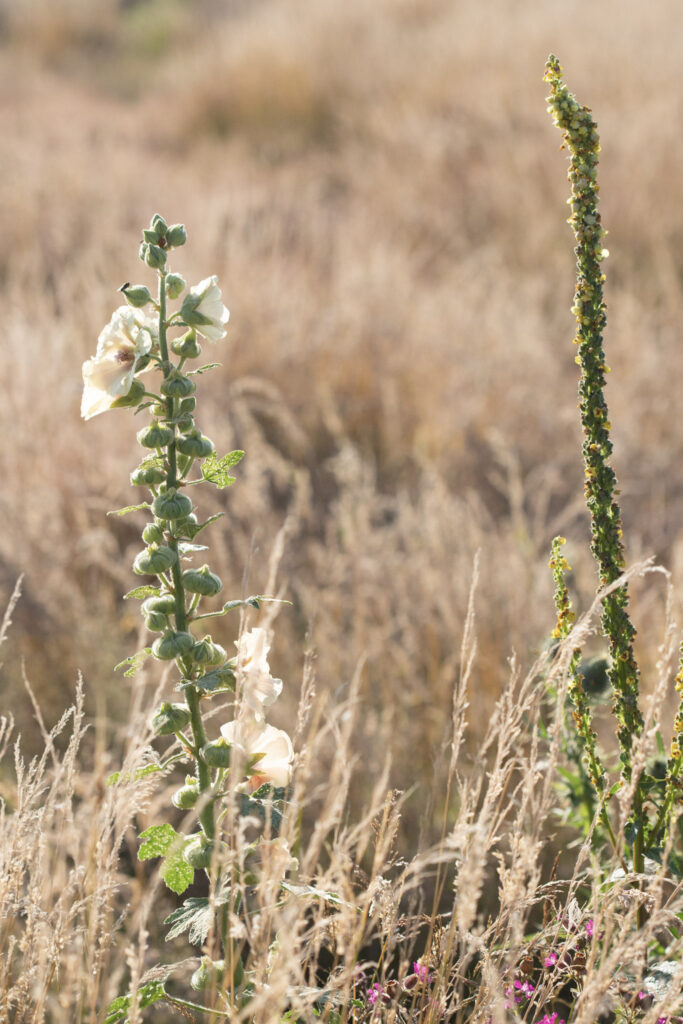
The Importance of Native Plants in Your Garden
Fortunately, you hear the term “native plants” being used more and more often, and that we need more of them. In the Netherlands, there is a severe shortage of native plants, which has a direct impact on nature. Many insects, such as bees, butterflies, and other beneficial creatures, are threatened as a result. The disappearance of these plants has a domino effect on the entire ecosystem. It’s no coincidence, then, that the majority of the plants in the planting plans I create are native species. Let me explain why this is so important.
What does “indigenous” actually mean?
A plant is considered native if it occurs naturally in a particular area. This means that the plant has adapted to the local climate and soil over the course of centuries. In the Netherlands, these are the plants that grew here naturally, even before exotic species were introduced. Native plants are not only beautiful, but also play an essential role in the ecosystem.
Why are native plants important in your garden?
Native plants are important because they form the foundation of a healthy ecosystem in your garden. They provide food and shelter for various animals and insects, from bees and butterflies to birds, squirrels, and more. In addition, they have adapted to our soil and climate, so they require less care and water than exotic plants. This makes them not only more sustainable but also easier to maintain.
Biodiversity in the Netherlands is in a poor state
Biodiversity in the Netherlands is under pressure. Due to urban growth, intensive agriculture, and the use of exotic plant species, more and more native plants are disappearing. This has major consequences for nature: insects and other animals are finding less and less food and shelter. We need native plants to restore balance to nature so that the ecosystem can be preserved.
Native plants as a food source for beneficial insects
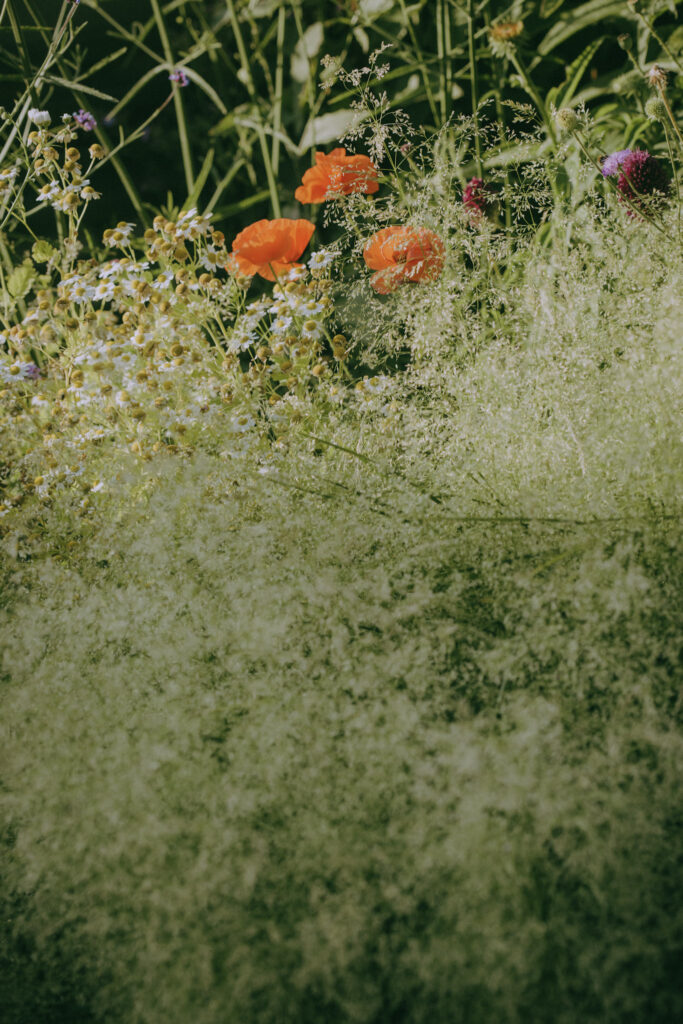
One of the main reasons to plant native plants in your garden is that they provide an important food source for beneficial insects. Bees, bumblebees, butterflies, and other insects often depend on the nectar from native flowers. Just think of poppies or cornflowers, which are not only beautiful to look at but are also loved by bees and butterflies. By planting these in your garden, you’re not only helping the insects but also improving pollination for other plants.
Native Plants in Your Border
A border with native plants isn’t just good for nature—it also gives your garden a natural, wild, and lush look. By planting a mix of flowers, shrubs, and ornamental grasses that grow naturally in the Netherlands, you’re helping to bring a piece of nature back. By adding native plants to your garden, you’re not only bringing more color and life to your garden, but you’re also taking an important step toward promoting biodiversity. It’s easier than you think, and it makes a big difference for nature!
Examples of native plants you can buy from a nursery
Fortunately, you don't have to spend hours hiking through the woods to find native plants. You can simply buy them from many nurseries. Here are a few beautiful native plants that you can easily add to your garden:
Yarrow (Achillea millefolium): Beautiful white flower heads; a food plant for many insects. An excellent garden plant.
Wild garlic (Allium ursinum): A beautiful, low-growing shade plant that blooms with stunning white flowers in the spring. It provides both nectar and pollen for many species of insects. It is also an edible plant, perfect for making pesto.
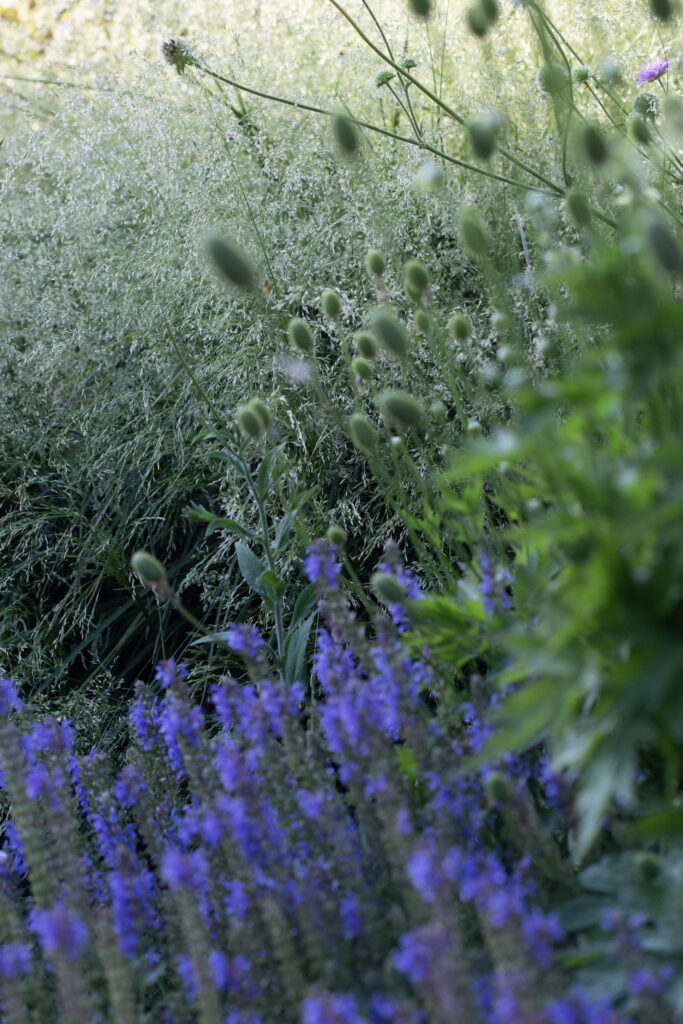
Meadow sage ( Salvia pratensis): This fragrant, deep-blue plant is a magnet for bees and bumblebees.
Meadow Crown: a beautiful, profusely flowering variety with lilac buds that attract many insects.
Great Burnet (Sanguisorba officinalis): An ornamental garden plant with dark red buds that attract many insects.
Long-leaved Speedwell (Veronica longifolia): A beautiful garden plant with stunning purple flower spikes. It attracts many species of bees and butterflies.
Wild marjoram (Oreganum vulgare): one of the best plants for attracting insects, and also a delicious culinary herb. It blooms beautifully with an abundance of light purple flowers.
These plants aren't just good for nature—they also look beautiful in your wildflower border.
Need help with a biodiverse and native planting plan?
Creating a garden with native plants is a fantastic way to contribute to nature. Would you like a customized planting plan for your garden, so you can be sure you’re choosing the right native plants? De Paradijstuin can help you with that! I offer advice and help you create a garden that is both breathtakingly beautiful and good for biodiversity.
Contact De Paradijstuin and find out how you can turn your garden into a thriving, living ecosystem.